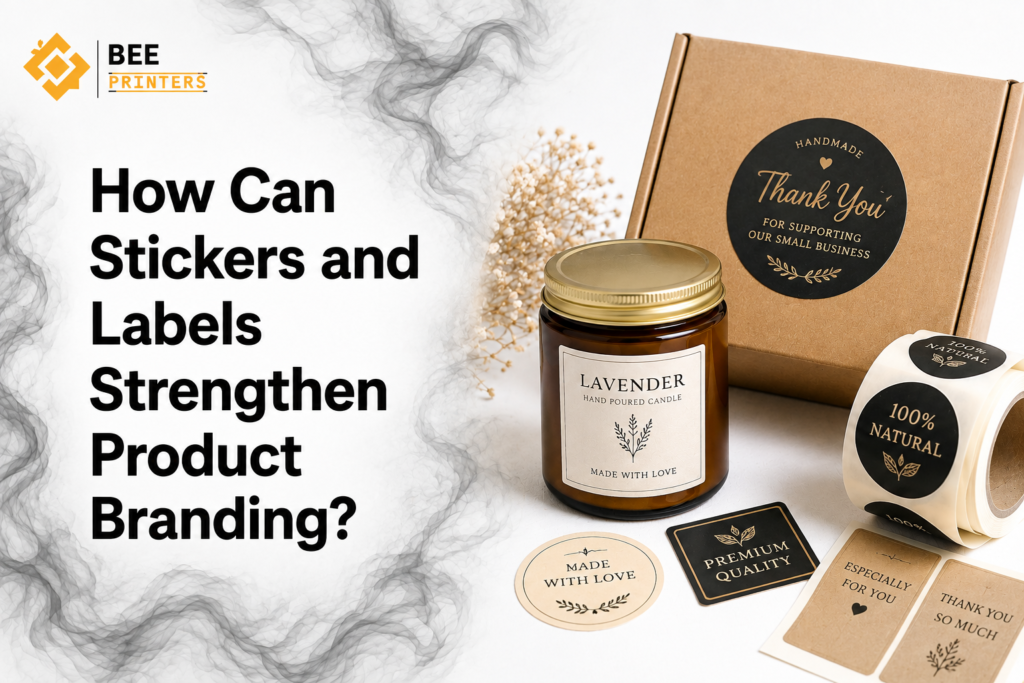
designed label can tell customers what a product is, whomade it, and what makes it different. At the same time, a branded sticker can add personality to packaging without requiring a completely redesigned box or bag. Businesses looking for creative packaging and branding options can use these small printed elements to create a more consistentpresentation across their product range.From handmade products and retail goods to ecommerce orders, stickers and labels can become a simple but effective part of the customer experience. When the design, message, and placement are carefully considered, they can make ordinary packaging feel much more connected to the brand behind it.
What Are Stickers and Labels?
Stickers and Labels are printed adhesive materials used to identify, decorate, organize, or provide information about a product or package. They can carry a brand logo, product name, ingredients, instructions, barcode, promotional message, or other details customers need to see. Although stickers and labels may be small, they often occupy one of the most visible areas of a package. This makes them useful for reinforcing brand identity while also communicating practical information.
How Can Stickers and Labels Strengthen Product Branding?
Stickers and Labels strengthen branding by giving businesses another surface where their visual identity can appear consistently. When customers repeatedly see the same logo, colors, typography, and design style, it becomes easier for them to associate those elements with a particular business.
They can also make packaging feel more personal. A simple thank-you sticker on an ecommerce order, for example, can add a human touch to the delivery. A professionally designed product label can make a handmade item look more organized and retail-ready.
Why Are Stickers and Labels Important for Brand Recognition?
Brand recognition develops when customers encounter familiar visual elements repeatedly. Packaging provides many opportunities for this, and stickers and labels can reinforce the same identity across products with different shapes, sizes, or packaging structures.
A consistent labeling system can also help customers quickly identify different products from the same company. For example, a business might use one color family for its entire collection while changing the product name and information on individual labels.
Stickers and Labels for Different Product Categories
The role of a label changes depending on the product and the packaging around it. Some businesses need labels mainly for product information, while others use stickers as a major part of their visual presentation.
Beauty and Cosmetic Products
Cosmetic and personal care products often depend on clean and attractive presentation. Labels can display product names, branding, directions, and other information while keeping the overall package visually
organized.
When a cosmetic brand uses different products within one collection, consistent labels can help create a unified appearance. The same design language can then be carried across boxes, jars, bottles, and other product formats.
Food and Beverage Products
Food brands can use labels to identify flavors, product varieties, ingredients, and brand information. Stickers can also be useful for seasonal promotions or limited-edition products without requiring a completely different package for every campaign.
Handmade and Artisan Products
Handmade businesses often want their packaging to communicate a personal and distinctive character. A well-designed sticker or label can add the brand name, product story, or a simple message without overwhelming the package.
Ecommerce Products
Online businesses have fewer opportunities to interact with customers face to face, so packaging becomes an important part of the delivered experience. A branded label can help make an ecommerce order feel more recognizable when it arrives.Businesses can also coordinate their labels with branded shipping boxes for ecommerce orders so that the outside packaging and product presentation feel like part of the same brand identity.
Product Details for Stickers and Labels
| Feature | Options and Uses |
|---|---|
| Product Type | Stickers and Labels |
| Shapes | Round, Square, Rectangle, Custom Shapes |
| Printing | Full Color, Logos, Artwork, Product Information |
| Finishing | Matte, Gloss and Protective Options |
| Applications | Products, Boxes, Bags, Bottles, Jars and Mailers |
| Customization | Size, Shape, Artwork, Text and Branding |
How Custom Designs Create a Consistent Brand Identity
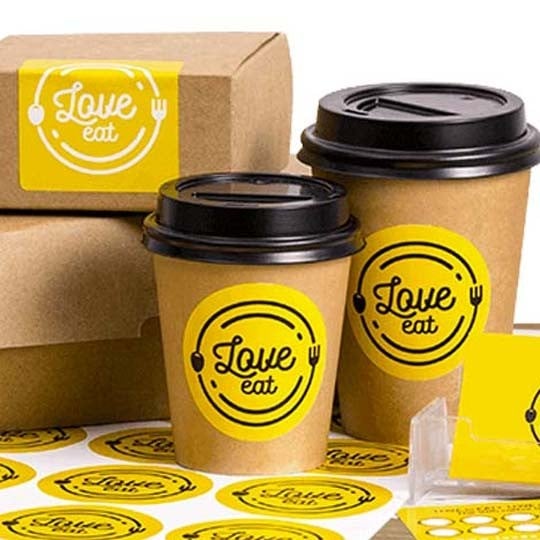
A strong brand usually looks recognizable wherever customers encounter it. Stickers and labels can support this consistency by using the same colors, fonts, logo treatment, and visual style found across other marketing materials. This consistency becomes particularly useful when a company sells several products. Instead of designing every package from scratch, the
brand can establish a recognizable labeling system and adapt it for different product names or variations.
How Labels Improve Product Communication
Branding is only one part of a successful label. Customers also need useful information to understand what they are buying. A clear label can organize important details in a way that is easy to notice and understand.
- Product name and variant
- Brand name and logo
- Product description
- Usage information
- Ingredient or material information
- Barcode or identification details
- Promotional messages
Stickers and Labels as a Cost-Effective Branding Tool
One of the practical advantages of stickers and labels is that they can refresh packaging without changing the complete structure of the package. A business can use the same basic container while updating artwork, product information, or promotional messaging through printed labels.
This flexibility can be useful for small businesses that are testing new products or seasonal collections. Instead of committing to a completely different package for every variation, a coordinated label can provide the required branding at the product level.
How Stickers Work with Different Packaging Styles
Stickers and labels can be paired with many types of packaging. Their design should complement the material, color, and structure of the package rather than compete with it.
Gift Packaging
Gift packaging benefits from small details that make the presentation feel thoughtful. A branded seal or message sticker can add a finishing touch to the package and make the opening experience more personal. Businesses creating complete gift presentations can also coordinate these details with gift packaging designed for memorable presentations so that the box and label work together visually.
Kraft Packaging
Kraft packaging has a natural appearance that works well with simple, clean labeling. A carefully selected sticker can add brand color or product information while allowing the natural character of the kraft material to remain visible.Brands using natural-looking packaging can pair their labels with kraft packaging with a natural branded appearance to create a cohesive presentation for handmade, organic, or sustainability-focused products.
Flexible Product Packaging
Flexible packaging can also benefit from printed labels when businesses need product identification or additional branding space. For products that require protective flexible packaging, labels can add important visual information without changing the basic package structure.For example, businesses can combine their labeling strategy with protective flexible packaging for branded productswhen product protection and visual recognition both matter.
Common Sticker and Label Styles
- Product identification labels
- Logo stickers
- Brand seal stickers
- Thank-you stickers
- Promotional stickers
- Ingredient and information labels
- Barcode labels
- Seasonal and event stickers
- Custom-shaped labels
Printing and Finishing Options
The printing style should reflect the personality of the brand and the surface where the label will be applied. Bold colors can help a product stand out, while a restrained design may work better for premium or minimalist branding.Finishing can also influence how the label feels and looks. Matte surfaces can create a softer appearance, while gloss can make artwork
appear more vivid. The right combination depends on the packaging material and the visual result a brand wants to achieve.
- Full-color printing
- Custom logo artwork
- Matte finish
- Gloss finish
- Custom shapes
- Protective finishes
Advantages of Using Stickers and Labels for Branding
Improved Brand Recognition:
Repeated visual elements make products easier for customers to identify.
Flexible Product Identification:
Different labels can distinguish product varieties within the same collection.
Better Packaging Presentation:
Well-designed labels can add a finished and professional appearance.
Easy Promotional Updates:
Seasonal messages and campaigns can be introduced without completely changing the packaging.
Useful Product Information:
Labels provide a dedicated area for important customer information.
Brand Consistency:
Matching labels can connect different packaging formats under one visual identity.
How Labels Can Improve Customer Trust
Customers generally want to understand what they are purchasing before making a decision. Clear and organized labeling can make a product feel more transparent and professionally prepared.
Consistency matters here as well. When the information, logo, colors, and overall presentation appear carefully considered, customers may find it easier to understand and remember the product.
Pros and Cons of Stickers and Labels
| Pros | Cons |
|---|---|
| Strengthens visual brand recognition | Incorrect sizing can affect presentation |
| Provides space for product information | Poor placement can make packaging look crowded |
| Works with many packaging formats | Material selection matters for different surfaces |
| Useful for seasonal and promotional updates | Design needs to remain consistent with the brand |
How Small Businesses Can Use Stickers and Labels
Small businesses do not always have the resources to create separate packaging for every product variation. Stickers and labels provide a flexible way to add branding and product information while keeping the basic packaging structure consistent.
A small handmade business, for example, can use a common box or bag design and change the product-specific label for different collections. This gives the packaging a consistent appearance while still allowing individual products to have their own identity.
What Makes a Sticker or Label Design Effective?
An effective label should be easy to understand at a glance. The brand name and important product information should have enough visual space to remain readable. Colors and graphics should support the product instead of making the label difficult to understand.
Size is also important. A label that is too small may hide important information, while an oversized design can overwhelm the packaging. Good design considers both the physical package and the customer’s viewing distance.
Why Choose Stickers and Labels for Product Branding?
Stickers and labels offer a simple way to connect product presentation with brand identity. They can introduce a logo, communicate useful information, highlight a promotion, or simply give packaging a more finished appearance.
Their flexibility makes them useful for established brands as well as small businesses. A thoughtful labeling strategy can help different products look like part of the same collection while still giving each product room to stand out.
Get Custom Stickers and Labels for Your Brand
The right sticker or label depends on the product, packaging material, information requirements, and visual identity of the business. Choosing the appropriate size, shape, artwork, and finish can help create a polished result that works with the rest of the package.If you are planning branded product packaging and need help selectingthe right labeling approach, you can discuss your packaging requirements and find an option that fits youproduct and branding goals.
Frequently Asked Questions About Stickers and Labels
1. How Do Stickers and Labels Strengthen Product Branding?
They reinforce brand identity by displaying consistent logos, colors, typography, product information, and visual elements across different packaging formats.
2. What Information Can Be Printed on Product Labels?
Labels can include product names, descriptions, ingredients, usage information, brand details, barcodes, and promotional messages.
3. Can Stickers Be Used on Different Packaging Materials?
Yes. Stickers can be designed for use with various packaging surfaces, although the appropriate material and adhesive should match the package.
4. Are Stickers Useful for Small Businesses?
Yes. They give small businesses a flexible way to add professional branding and product information without redesigning every package.
5. Can Labels Help Customers Recognize Different Products?
Yes. A consistent labeling system can make products easier to identify while using different colors, names, or information for each variation.
6. Can Stickers Be Used for Seasonal Promotions?
Yes. Seasonal stickers can introduce temporary messages, campaigns, or special-edition branding without requiring a completely new package.
7. What Shapes Are Available for Custom Labels?
Common options include round, square, rectangular, and custom-shaped labels designed around a specific product or branding concept.
8. Can Stickers Improve Ecommerce Packaging?
Yes. Branded stickers can add personality to ecommerce orders and help create a more recognizable presentation when customers receive their packages.
9. How Important Is Label Design for Product Branding?
Label design is important because it can influence how quickly customers recognize a product and how clearly they understand its information.
10. How Can I Choose the Right Stickers and Labels?
Consider your packaging surface, product information, brand identity, label size, artwork, application method, and desired finish before selecting the final design.