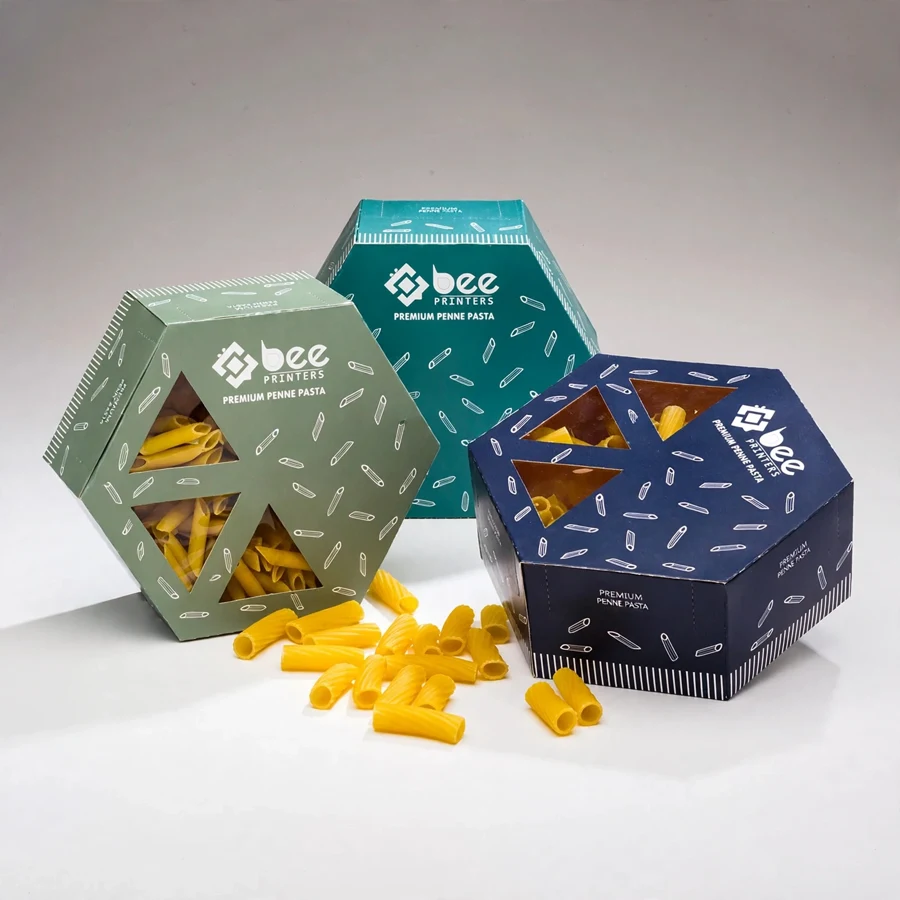
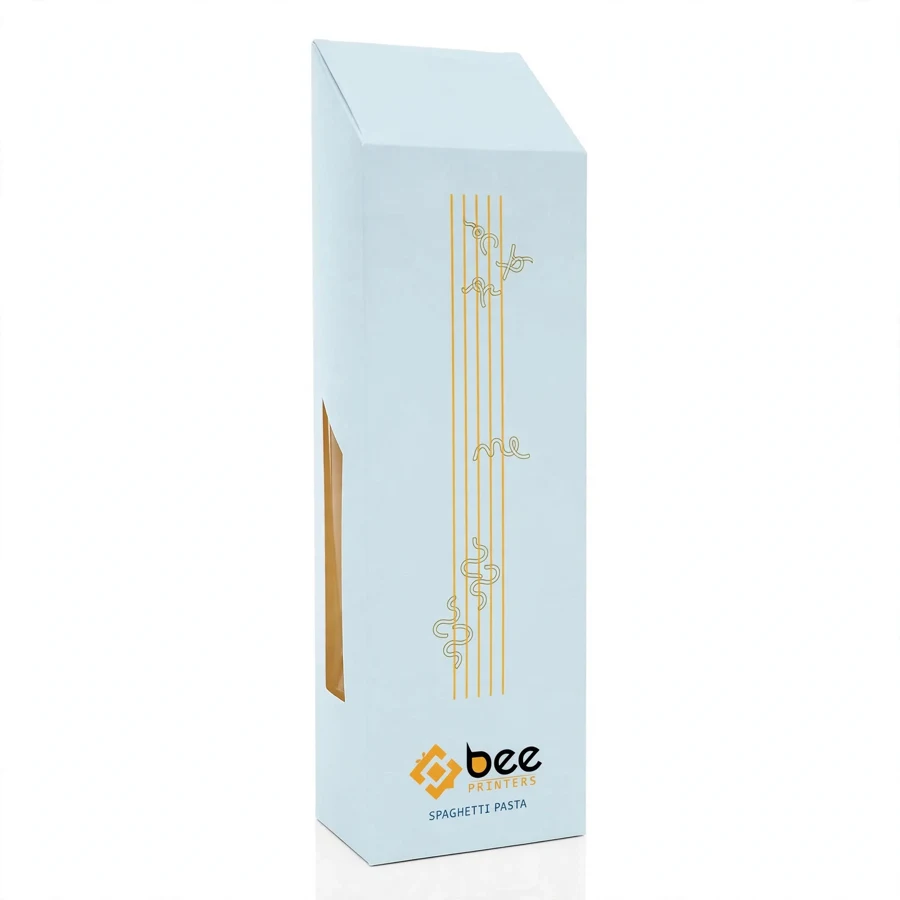
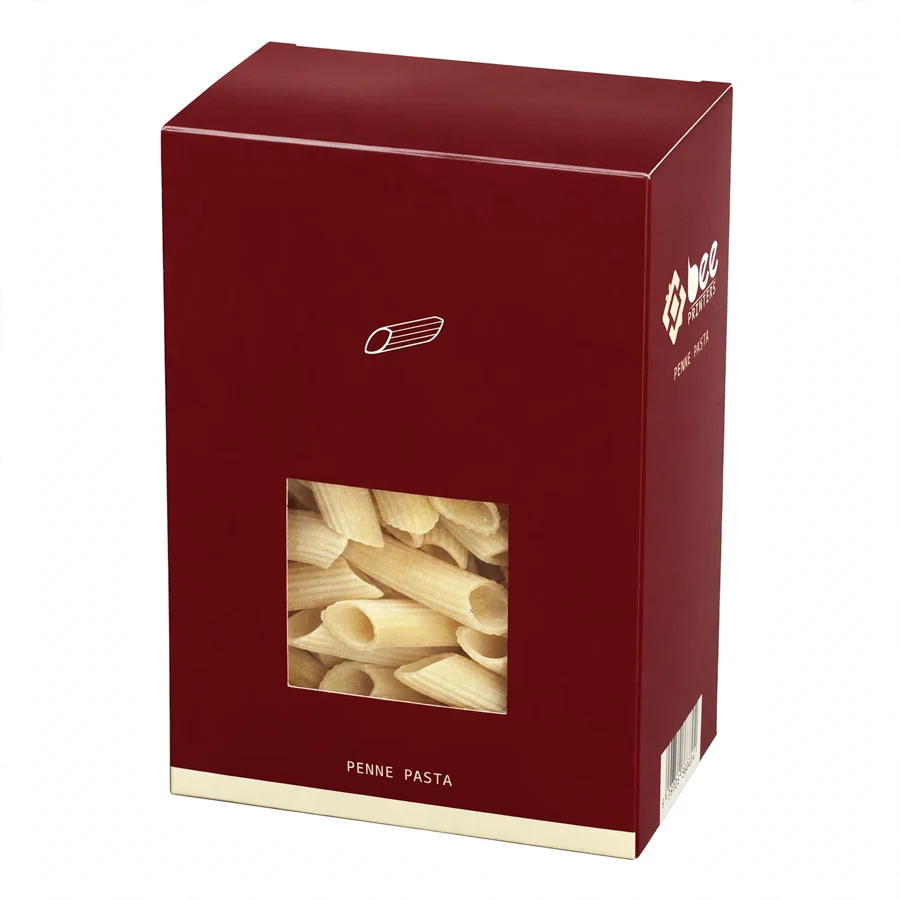
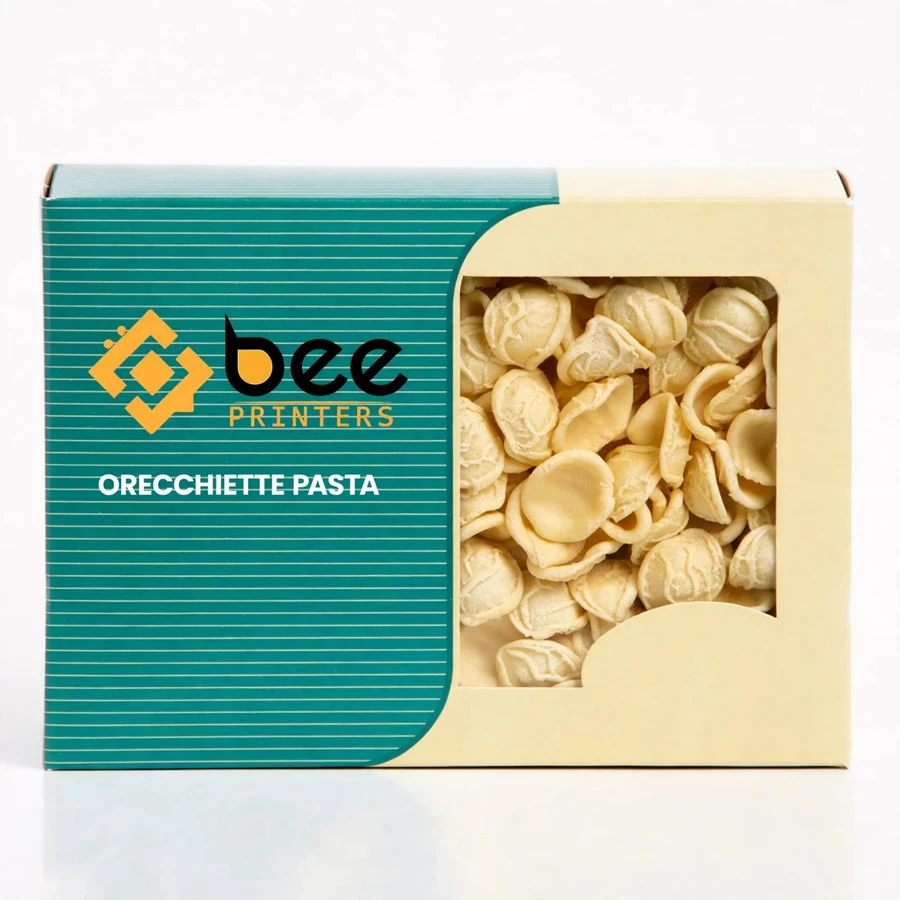
Pasta is a product people buy with their eyes: the shape, the color, the promise of a good meal. Custom pasta boxes protect dry and fresh pasta from breakage and moisture while giving the brand a full printed surface to show it off. At Bee Printers, pasta boxes are made from food-safe materials, sized to the pasta shape, and printed with the brand’s own artwork. For pasta makers, delis, grocery brands and restaurants, a printed pasta box turns a pantry staple into a product customers choose, remember and buy again.
Dry pasta is fragile. Long shapes such as spaghetti and linguine snap if the box is too short or too weak; short shapes such as penne and fusilli crush if the box is too thin. Fresh pasta is more delicate still, needing protection from drying out and from handling. A well-made pasta box holds the pasta securely, keeps moisture out, and stacks neatly on a shelf or in a delivery parcel. It also carries the information buyers need: the shape, the weight, the cooking time and the ingredients.
The first reason is protection. A pasta box that is too weak lets the pasta break in transit, and broken pasta is a complaint and a refund. A sturdy box with the right dimensions keeps long pasta straight, short pasta intact, and fresh pasta safe until it is cooked. The box also protects against moisture and dust in storage, which matters for a product that may sit on a shelf for weeks.
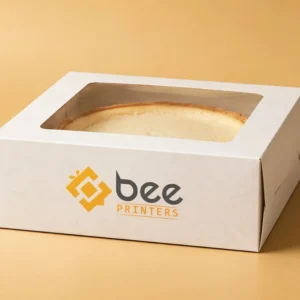
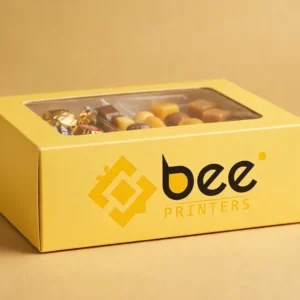
The second reason is shelf presence. A pasta aisle is a wall of similar boxes, and the one that stands out is the one that gets picked up. A printed box with a clear photo of the pasta, a strong brand name, and a simple, appetizing design catches the eye first. A window in the box lets customers see the pasta itself, which is a strong selling feature for artisan and colored pasta where the shape and color are part of the appeal.
The third reason is trust. A well-printed box with clean typography, accurate information and a consistent design tells the buyer that the maker takes the product seriously. That impression supports the price, earns space on a retail shelf, and encourages customers to try a new shape or flavor from the same brand.
Pasta boxes are made from food-safe paperboard chosen for the pasta type. Dry pasta needs a firm, rigid board that holds its shape and protects against breakage; fresh pasta needs a board that keeps moisture in and air out, often with a food-safe inner layer. The board grade is matched to the pasta weight and shape, so a box of long spaghetti is stronger than a box of small orzo, and a fresh pasta box is built to a different standard than a dry one.
Kraft board gives a natural, artisan look that suits small-batch and handmade pasta, and it pairs well with simple one- or two-color printing. Coated white board gives a bright surface for full-color printing, food photography and detailed designs. Both are paper-based and recyclable, which fits the expectations of customers who buy pasta from brands that care about packaging.
Some pasta boxes use a clear window so shoppers can see the pasta inside. The window is made from clear film, and the rest of the box stays paper, keeping the format familiar and easy to dispose of. For fresh pasta, a sealed inner bag or tray can be added inside the printed box to keep the pasta fresh for longer.
Long pasta such as spaghetti, linguine and fettuccine needs a tall, narrow box that holds the strands straight without bending. These boxes are usually a simple rectangular carton with a tuck-end top and bottom, sized to the full length of the pasta. Short pasta such as penne, rigatoni and fusilli suits a wider, shorter box that holds the shapes loosely without crushing them.
Fresh pasta, including filled shapes such as ravioli and tortellini, needs a tray-style box with a fitted interior that holds the pieces apart so they do not stick together. These boxes often have a clear lid or window so the buyer can see the fresh pasta, and they are built to keep the pasta cool and protected until it is cooked.
Gift and variety sets use a larger presentation box holding several pasta shapes, often with a sauce or a seasoning, as a single gift product. These suit delis, food hampers and online gift shops, where the set itself is the product and the box is part of the presentation.
Pasta boxes are sized to the shape and the weight: a 250-gram box for a single meal, a 500-gram box for a family, and larger formats for food service and wholesale. The box dimensions are set around the pasta length for long shapes and around the volume for short shapes, so the pasta fills the box neatly without being crushed or rattling around loose.
Getting the size right also helps with shipping and storage. Right-sized boxes pack efficiently into outer cartons, stack neatly on a retail shelf, and reduce the need for void fill. For a pasta brand shipping dozens of orders a week, those savings add up quickly, and for a retailer, a consistent box size across a range makes the shelf look tidy.
Custom sizing is available for unusual shapes, such as very long pasta, large filled pasta, or a signature shape that needs its own box. The dimensions are set from the pasta itself, so the box works with the product rather than forcing the product into a generic carton.
Full-color printing lets a pasta box carry the brand’s full identity: logo, brand colors, a photo of the cooked dish, and practical information such as the shape, the weight, the cooking time and the ingredients. Warm, appetizing colors suit Italian and artisan brands; clean, minimal designs suit premium and health-focused ranges. Because the box is a pantry product, the design needs to be readable on a shelf and appealing in a kitchen.
Finishing options include matte lamination for a soft, modern feel and gloss for brighter colors and extra protection in storage. The inside of the box is left plain and food-safe, with the printing focused on the exterior. Some brands add a recipe on the back panel, which gives customers a reason to keep the box and to try the pasta in a new way.
The box can also carry useful information for the buyer: the origin of the wheat, the drying method, or a note about the maker. This kind of content adds value without adding cost, and it helps a small pasta brand stand out against larger competitors.
Artisan pasta makers are the main users, from small-batch producers selling at farmers’ markets to regional brands supplying grocery stores. Delis and Italian food shops use printed pasta boxes for their own-label ranges, and grocery brands use them for a consistent shelf presence across many shapes.
Restaurants and meal-kit companies order pasta boxes sized to their portion requirements, and gift companies use presentation boxes for pasta gift sets. Dried-pasta exporters use sturdy boxes that survive long journeys without the pasta breaking, and fresh-pasta makers use tray boxes that keep the product safe from the kitchen to the shop.
Pasta boxes sit within the wider food packaging range. Producers who sell pasta alongside sauces, oils and other Italian foods often coordinate their boxes with other printed packaging from the custom food boxes collection, so the whole range carries one consistent brand.
Pasta boxes are produced to specification, so pricing depends on the board, the box size and style, print coverage and order quantity. Larger quantities reduce the unit cost, which helps brands selling through shops and needing a steady supply. Smaller runs suit seasonal shapes, limited editions and new makers testing a first design.
To order, share the pasta shape and weight, the preferred board and style, and the artwork or logo. A specification and quote follow, with a proof of the box design before production so the brand can check the fit, the colors and the text. Free design support can help turn a label into a full box design, or build a new design from the brand’s colors and story.
For brands that sell pasta alongside other takeaway and ready-meal formats, matching boxes complete the range. Chinese food boxes in the same artwork give noodle and mixed-dish orders a classic, instantly recognizable format that pairs well with the wider pasta and food box range.
Yes. Boxes are sized to the pasta shape and weight, from long spaghetti and linguine to short penne and fusilli, and to fresh filled pasta such as ravioli.
Yes. A clear window can be cut into the front panel so customers can see the pasta shape and color inside.
Yes. The boxes are made from food-safe paperboard, with inner layers available for fresh pasta that needs extra protection from drying out.
Yes. The full exterior can be printed with the logo, cooking time, ingredients, a recipe and any other information the buyer needs.
| Material | Kraft, Cardboard, Corrugated, Rigid stock |
| Sizes | All custom sizes (any length × width × height) |
| Printing | CMYK / PMS, full-color, offset & digital |
| Finishing | Matte, Gloss, Soft-touch, Foil, Spot UV, Embossing |
| Add-ons | Window cut-outs, inserts, interior printing |
| Minimum Order | 100 boxes |
| Turnaround | 7 to 10 business days after design approval |
| Shipping | Free shipping across the US |