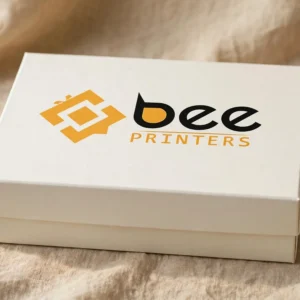
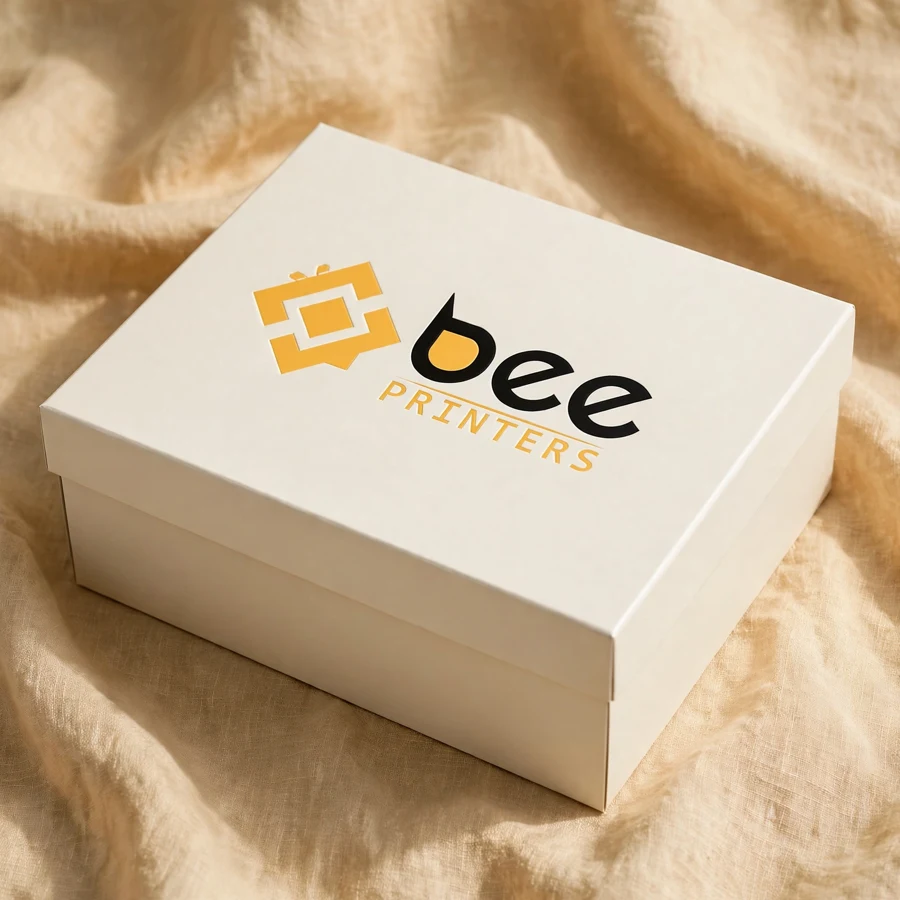
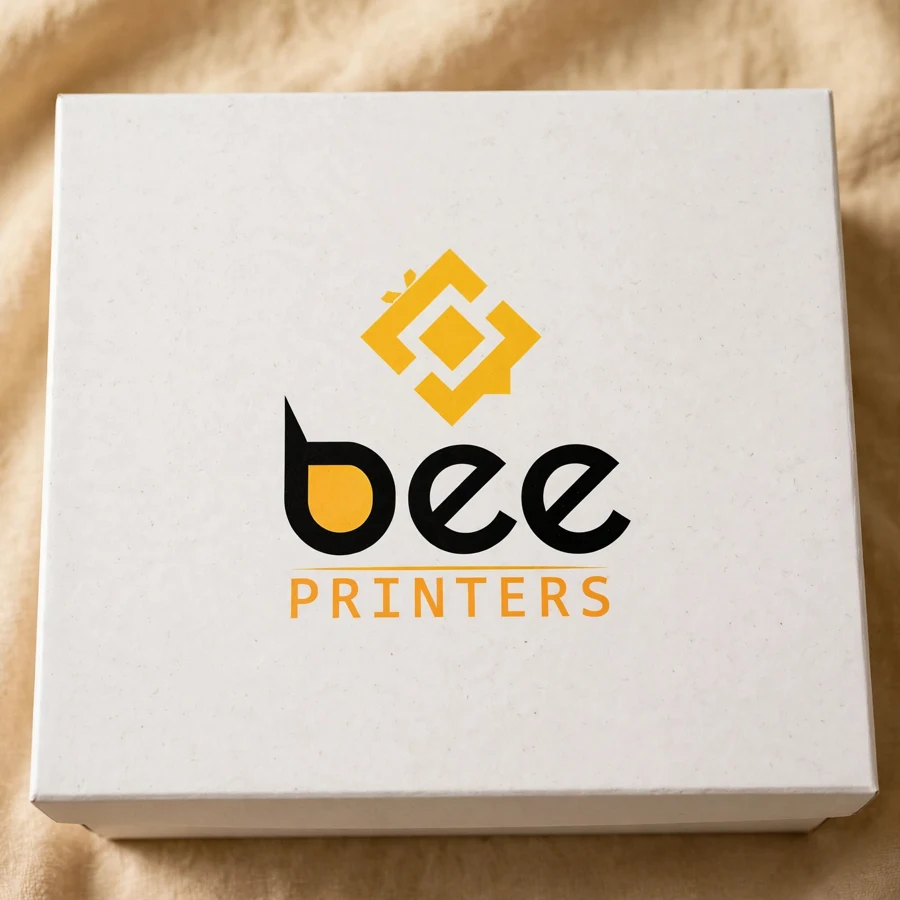
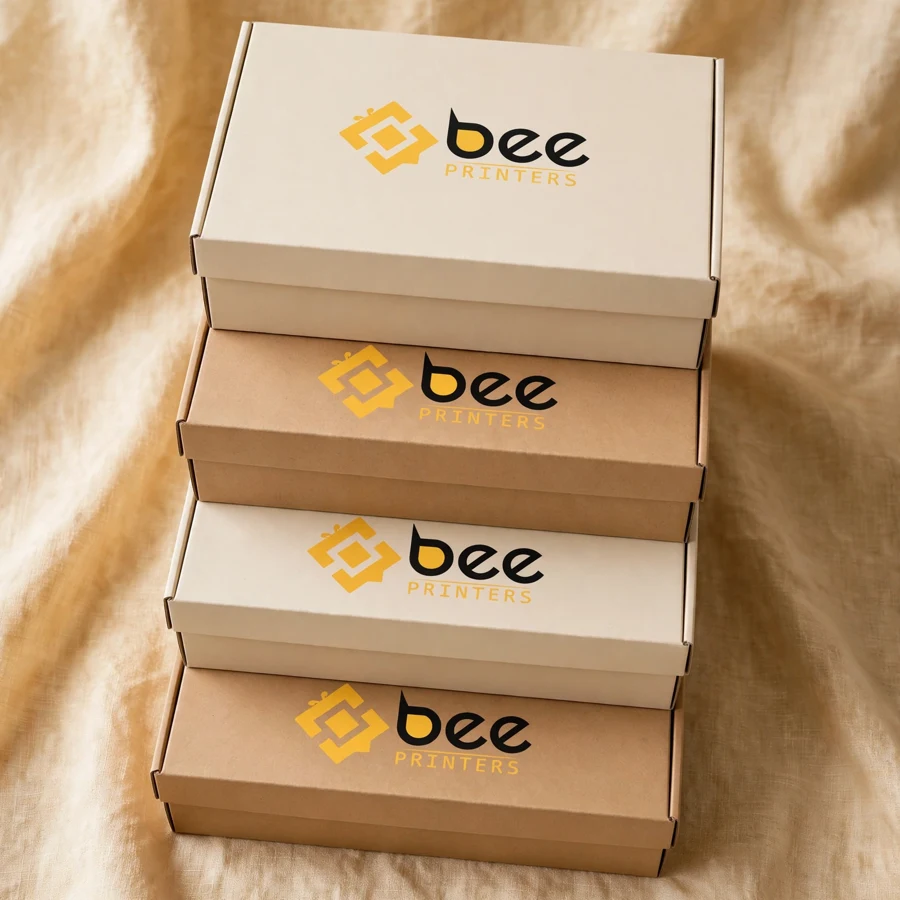
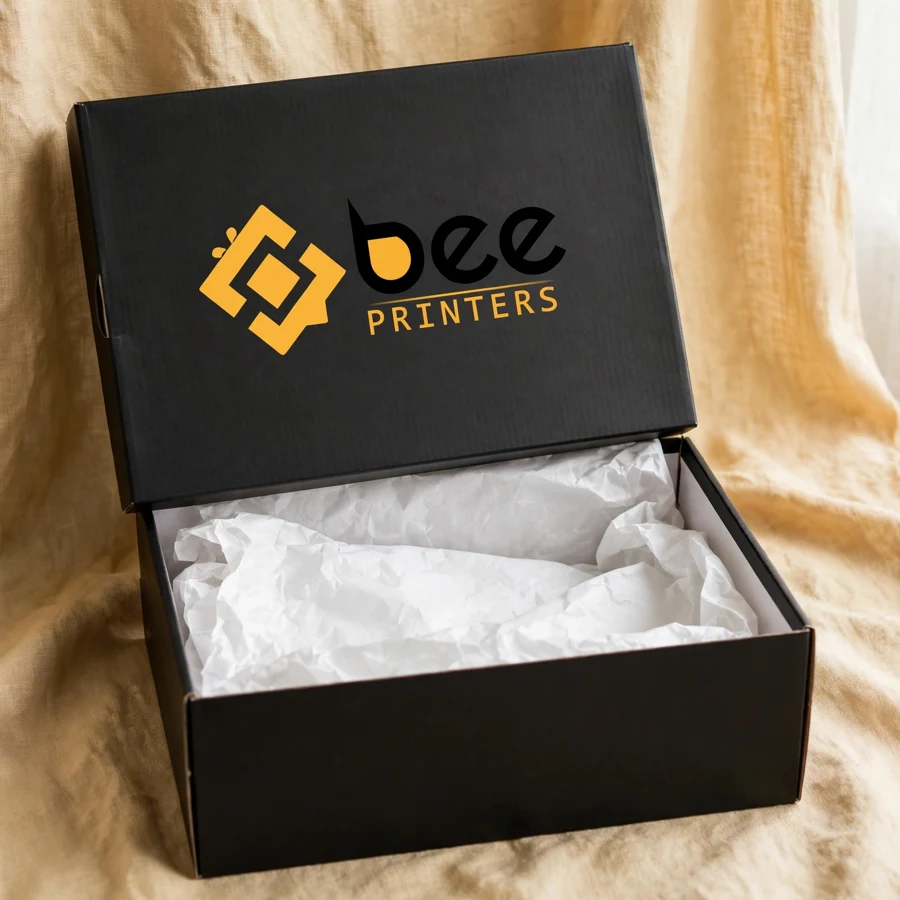
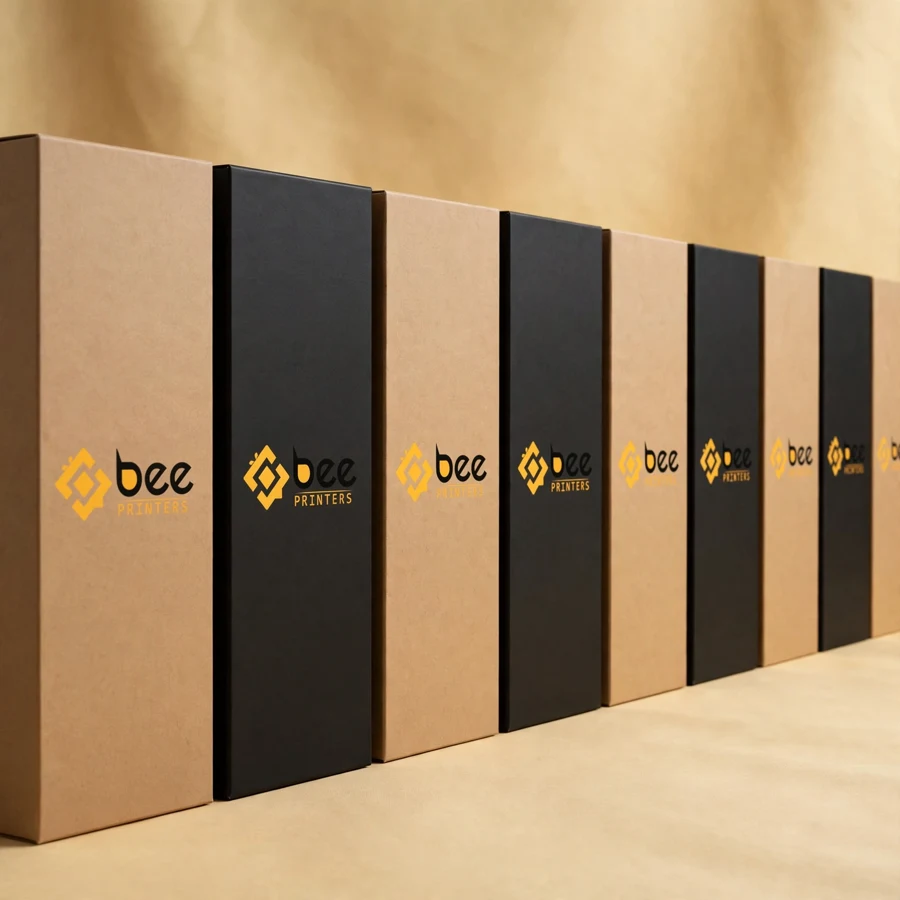
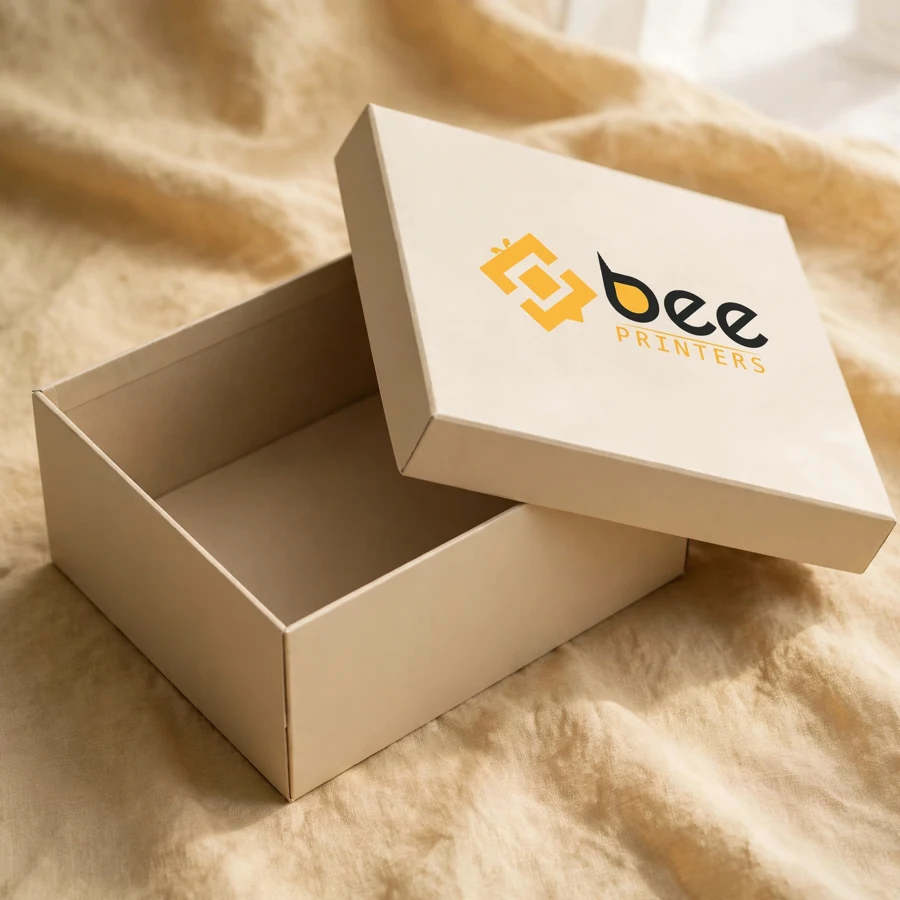
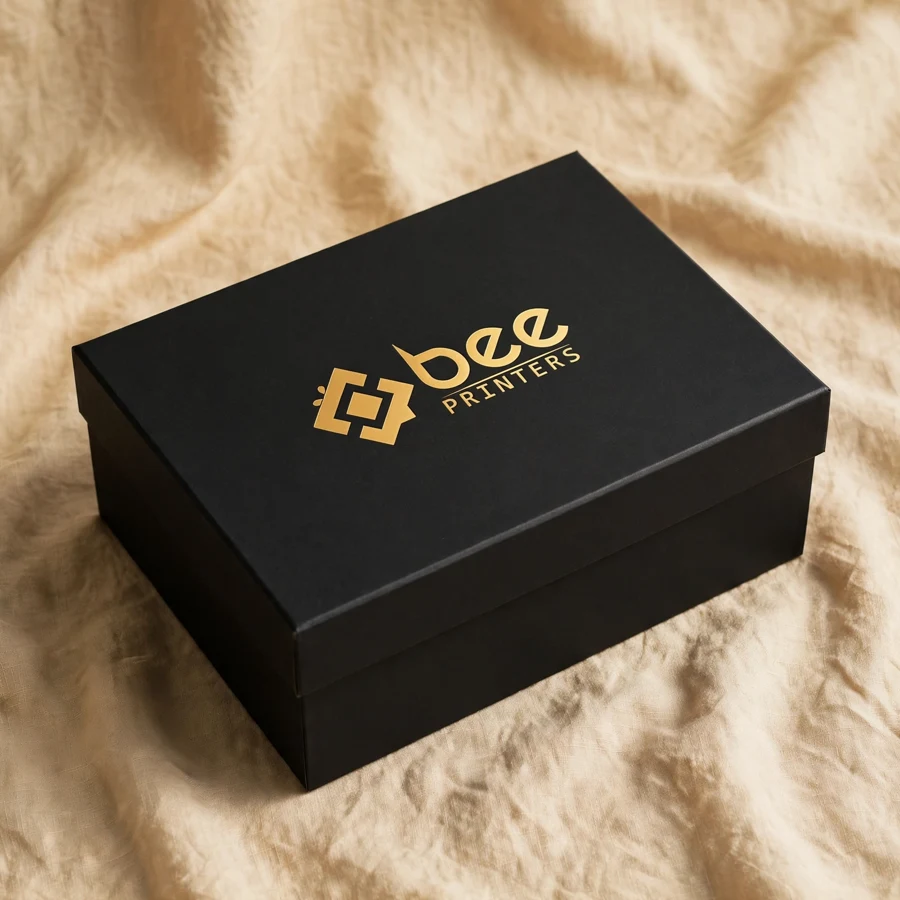
Custom rigid shoe boxes give footwear brands a structured packaging format that is designed around the actual shoe — its length, height, width and silhouette — instead of forcing the product into a generic carton. At Bee Printers, every rigid shoe box is built from a firm rigid board structure, wrapped in a printable surface and finished to match the brand. Whether the collection is sneakers, dress shoes, heels, boots or limited-edition releases, the box can be dimensioned, printed and finished so the packaging feels like part of the product itself.
Footwear packaging works harder than most product boxes. It must protect a heavy, oddly shaped item, present it beautifully at retail, and carry the brand identity from the shelf to the customer’s doorstep. A rigid structure answers all three demands at once: the box keeps its shape under handling, the printable surface turns the package into a brand asset, and the interior can be fitted with supports that keep the shoes in position.
Ordinary shoe cartons collapse, scuff and fade. A rigid shoe box is made from thick board — commonly greyboard or chipboard — that resists crushing and keeps the lid aligned with the base, which matters most for premium footwear, where the unboxing experience is part of the purchase.
For retailers, consistency matters too. When a brand buys custom rigid boxes in matching dimensions, colors and artwork, every collection — from seasonal lines to special editions — presents the same structured look on the shelf and in the shipping parcel. The result is packaging that shoppers recognize instantly.
Every box starts with the board. Rigid chipboard and greyboard provide the crush-resistant core, typically in thicknesses chosen according to the shoe weight and box size. The board is then wrapped in a printable paper — art paper for full-color designs, textured papers for a tactile premium feel, or kraft board for a natural, understated look.
The wrap is where branding lives. Offset printing reproduces photographic artwork and exact brand colors across the whole surface; digital printing suits shorter runs and variable designs. The interior can be lined or fitted with foam, cardboard inserts, tissue arrangements or molded supports that cradle each shoe. The choice of board and wrap affects the weight, feel and perceived quality of the box, so specifications are matched to the product before production begins.
Rigid shoe packaging is not a single format. The classic two-piece construction — a separate lid and base — gives a clean, traditional presentation and works well for retail footwear. Magnetic closure boxes add a flap that locks shut with hidden magnets, creating a controlled, premium opening ritual that suits designer and luxury collections.
Other options include drawer-style boxes, where an inner tray slides out of a sleeve; book-style boxes that open like a volume for launch editions; and shoulder-neck constructions that create a layered reveal between lid and base. For brands that want this distinctive opening, magnetic rigid boxes offer a related structure worth comparing. Each construction changes the unboxing experience, so the choice is made around the product’s positioning and the audience’s expectations.
Sneakers, boots, heels, sandals and dress shoes all occupy different volumes. A low-profile sandal needs a shallow box; a tall boot needs extended height; a bulky sneaker needs width to spare. Buy rigid shoe boxes sized to the actual product profile and the packaging stops wasting material while protecting the shoe better.
Custom dimensions also improve logistics: right-sized boxes stack more efficiently, reduce damage in transit and lower dimensional shipping costs. When a brand orders rigid shoe boxes wholesale, consistent sizing across a collection simplifies warehousing and fulfillment.
The printable surface of a rigid shoe box is a full canvas for the brand. CMYK full-color offset printing covers the box in photographic artwork, gradients and exact brand colors. Logos, collection names, patterns and product information can be placed on the lid, sides and even the interior floor of the box.
Minimalist brands may choose a single-color design with subtle branding; streetwear labels may go bold with all-over graphics. Each collection can carry its own artwork without changing the underlying structure.
Finishing is what separates a good box from a memorable one. Matte lamination gives a soft, modern surface; gloss lamination adds shine and color depth. Foil stamping applies metallic gold, silver or holographic details to the logo. Embossing and debossing press the artwork into the surface for a tactile effect, while spot UV adds selective gloss over chosen areas.
Premium finishes are particularly effective for designer footwear, wedding collections and gift-oriented releases, where the customer touches the box before seeing the shoe. Finishing can be applied to the lid, the base or both, and combined to create layered effects — for example, a matte box with a foil-stamped rigid shoe box with logo front and center.
A shoe box interior can be as simple as tissue paper or as engineered as a fitted foam nest. Custom inserts — cardboard dividers, molded pulp trays, foam cavities, ribbon pulls and spare-lace compartments — keep the shoes and accessories exactly where they should be. This matters most for heels and dress shoes, which shift easily, and for gift sets that include care kits, extra laces or branded socks.
A fitted interior also protects the product in transit. When shoes cannot move inside the box, scuffing and deformation drop sharply, and returns due to damaged presentation packaging fall with them.
Sneaker labels use them for drop releases where the box is photographed and shared. Luxury footwear houses use them to match the weight of the product inside. Dress shoe retailers use them to keep formal silhouettes crisp on the shelf. Boot manufacturers use tall-format rigid boxes that accommodate height without wasted space.
Beyond footwear specialists, fashion boutiques, department stores and e-commerce sellers choose rigid shoe packaging for gift-ready presentation — a structured box that needs no wrapping paper sells itself during the holidays and for special editions.
Custom rigid shoe boxes are produced to specification, so pricing depends on dimensions, board choice, structure, printing coverage, finishing, inserts and order quantity. Larger quantities reduce the unit cost, and consistent artwork across a collection keeps pre-press costs efficient.
Low minimums let new brands start with a single collection, while wholesale programs support seasonal volume. Free design support helps translate brand artwork into a print-ready layout, and free US shipping keeps the landed cost predictable. To begin, share the shoe dimensions, the target structure, artwork and the quantity — a specification and quote follows from there.
Yes. Length, width, height and internal spacing are developed around the shoe’s dimensions, including clearance for tissue and inserts.
Yes. The full exterior — lid, base, sides and interior — can be printed with brand colors, logos, patterns and product information.
Yes. Magnetic rigid shoe boxes combine a premium opening with fully customizable dimensions, printing and interiors.
| Material | Kraft, Cardboard, Corrugated, Rigid stock |
| Sizes | All custom sizes (any length × width × height) |
| Printing | CMYK / PMS, full-color, offset & digital |
| Finishing | Matte, Gloss, Soft-touch, Foil, Spot UV, Embossing |
| Add-ons | Window cut-outs, inserts, interior printing |
| Minimum Order | 100 boxes |
| Turnaround | 7 to 10 business days after design approval |
| Shipping | Free shipping across the US |