
Cosmetic brands are changing the way they package their products, and customers are noticing. Shoppers now look at the box, the jar and the tube as well as what is inside them, and they increasingly choose brands whose packaging reflects the values they care about. Eco friendly cosmetic packaging from Bee Printers gives cosmetic brands practical options for that shift: PCR plastic, glass, bamboo composite and reusable packaging, at wholesale prices, with manufacturing in the USA. These are real, available materials — not promises — and they let a brand offer packaging that is kinder to the environment without giving up on presentation or protection.
The change is driven by customers, retailers and the brands themselves. A cosmetic product that is marketed as natural or clean looks wrong in packaging that is wasteful or hard to recycle. A brand that talks about sustainability needs packaging that supports the story rather than undermining it. At the same time, the packaging still has to do its job: protect the product, keep it fresh, look good on a shelf and survive shipping. Eco-friendly cosmetic packaging is about meeting both sets of demands at once.
PCR plastic — post-consumer recycled plastic — is one of the most widely used eco-friendly options in cosmetics. It is made from plastic that has already been used and recycled, which means less new plastic is produced and existing plastic is kept in use instead of going to landfill. For cosmetic brands, PCR plastic works like conventional plastic: it can be moulded into jars, bottles, tubes and caps, it protects the product inside, and it can be made in a range of colours and finishes. The difference is in where the material comes from, not in how it performs.
PCR plastic suits a wide range of cosmetic products, from creams and lotions to serums and shampoos. It is lightweight, which keeps shipping costs down, and it is durable, which means the product survives handling and transit. Brands that switch to PCR plastic can tell their customers, honestly and simply, that the packaging is made from recycled material. That is a clear, verifiable claim — and it is one customers understand immediately.
Glass has been used for cosmetics for generations, and it remains one of the best eco-friendly options available. A glass jar or bottle is fully recyclable, it can be reused by the customer, and it does not affect the product inside it — no taste, no odour, no interaction with the formula. For premium cosmetics, glass also carries a feeling of quality that plastic cannot match: it is heavy, cool to the touch, and it looks and feels like a luxury product.
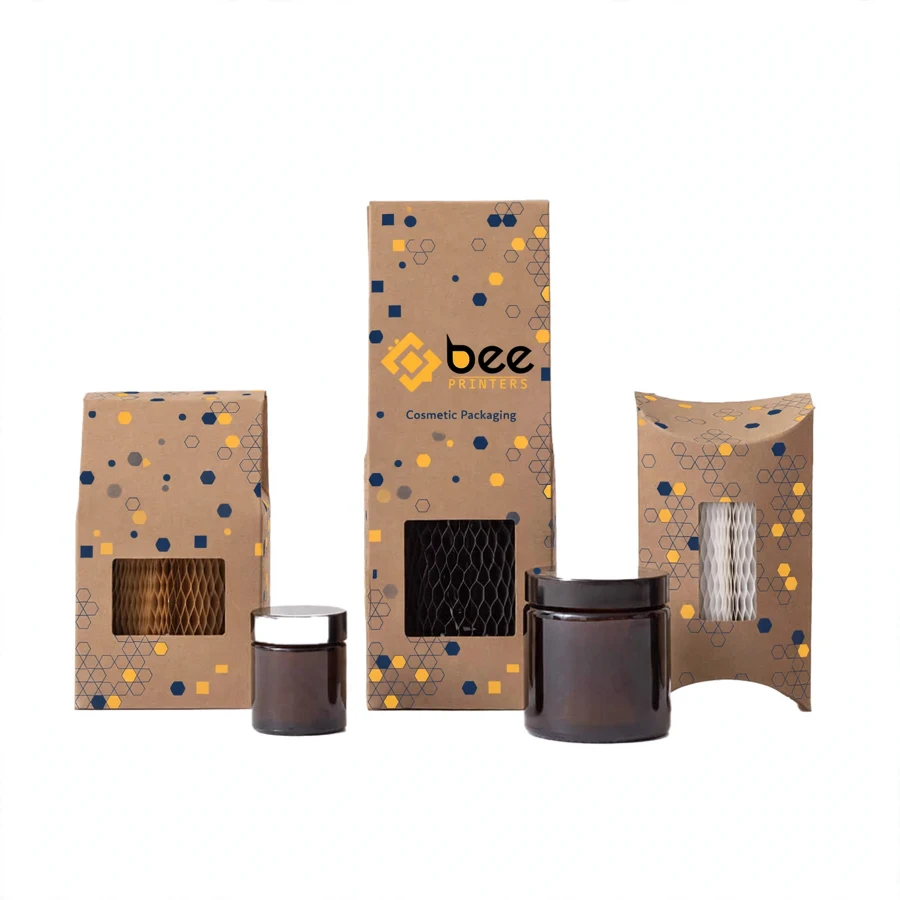
Glass suits creams, serums, oils, perfumes and any product where the brand wants the packaging to feel premium. It can be paired with a printed paperboard box for the shelf, and the box and the jar together create a complete presentation. Glass is heavier than plastic, which adds to shipping costs, and it needs careful packing to survive transit — but for brands that sell a premium product, that trade-off is often worth it. A glass jar that the customer keeps and refills, or recycles when it is empty, is packaging that does not become waste.
Bamboo composite is a newer option that combines bamboo fibre with other materials to create packaging with a natural look and feel. It is used for lids, caps, jars and boxes, and it gives a product a distinctive, earthy appearance that suits natural and organic cosmetic brands. The bamboo finish — a warm, textured surface with visible grain — is immediately recognisable on a shelf, and it tells the customer something about the brand before they have even read the label.
Reusable packaging takes the idea further. A jar, bottle or box that is designed to be refilled or reused turns packaging from a disposable item into a lasting one. Refill systems, where the customer buys a refill pouch and reuses the original container, are becoming common in cosmetics, and they need packaging that is built to last: a sturdy jar, a well-made pump, a box that can be kept. Reusable packaging suits brands that want a long-term relationship with their customers, because every refill is another sale and another reminder of the brand.
Eco-friendly packaging still has to sell the product. A plain, unbranded pack made from recycled material will not move off a shelf if the customer cannot tell what it is or why it is worth buying. The design matters as much as the material: a clear product name, a recognisable logo, an attractive colour scheme and a simple explanation of what makes the packaging eco-friendly. Customers respond to honest, specific information — that the jar is made from recycled plastic, that the box is recyclable, that the container can be refilled — far more than they respond to vague claims.
The print and finish of the packaging also matter. Eco-friendly cosmetic packaging can be printed with soy-based inks on recycled board, finished with a matte coating, or left in a natural kraft style that suits the product. The key is consistency: the packaging, the product and the brand story should all point in the same direction. A brand that sells a natural cream in a bamboo-lidded glass jar inside a recycled board box is telling a coherent story, and customers notice coherence.
Eco-friendly packaging is available at wholesale prices, which makes it practical for brands of all sizes — not just large companies with large budgets. Ordering in bulk brings the per-unit cost down, and it means the same packaging is always available when a new batch of product is ready. For small and growing cosmetic brands, that affordability matters: it means they can offer eco-friendly packaging without pricing themselves out of the market.
Manufacturing in the USA is another practical advantage. It means shorter lead times, easier communication, and a supply chain that is simpler to manage. Brands can order what they need, when they need it, without waiting for a long overseas shipment or worrying about customs delays. It also means the packaging can be described honestly as made in the USA, which is a selling point for many customers. The full range of eco-friendly options is listed in the eco friendly packaging category, alongside the other sustainable formats available.
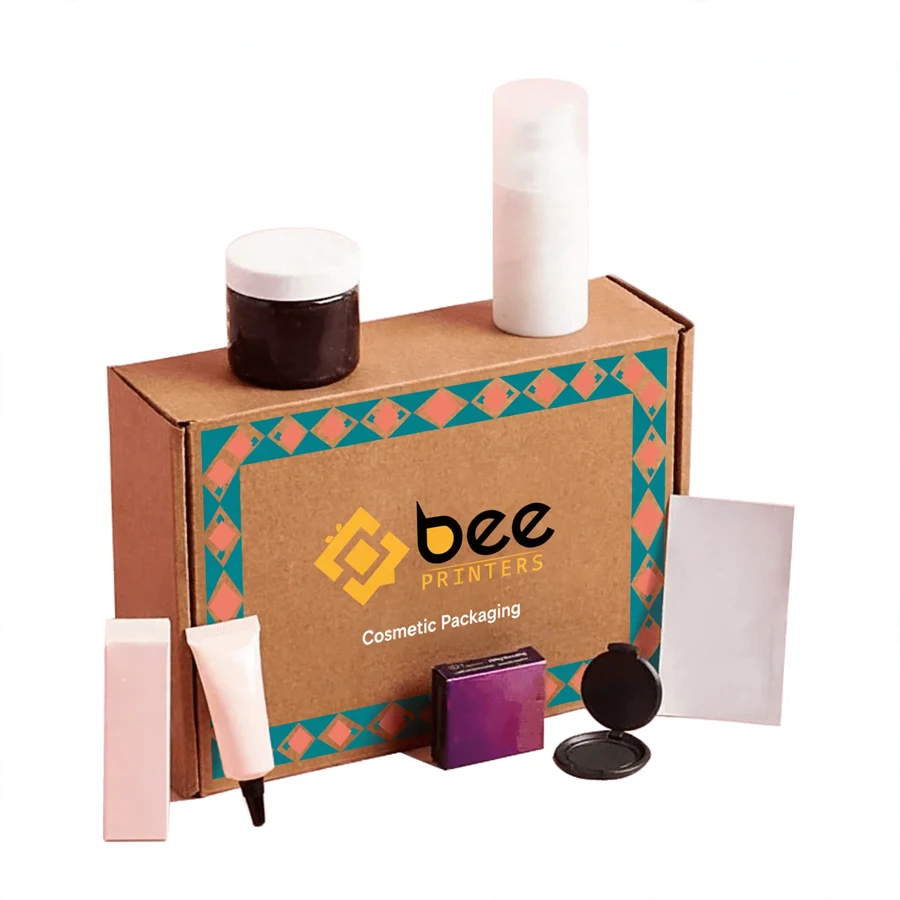
Cosmetic packaging rarely stands alone. A jar or bottle usually sits inside a printed box on the shelf, and that box is part of the eco-friendly story too. A recyclable board box, printed with the brand and product information, completes the presentation and protects the container inside it. For creams and similar products, a complementary format such as Cosmetic Cream Boxes can provide the outer packaging that matches the eco-friendly container inside. Choosing the box and the container together — the same materials, the same print style, the same brand story — gives a coherent result that customers notice.
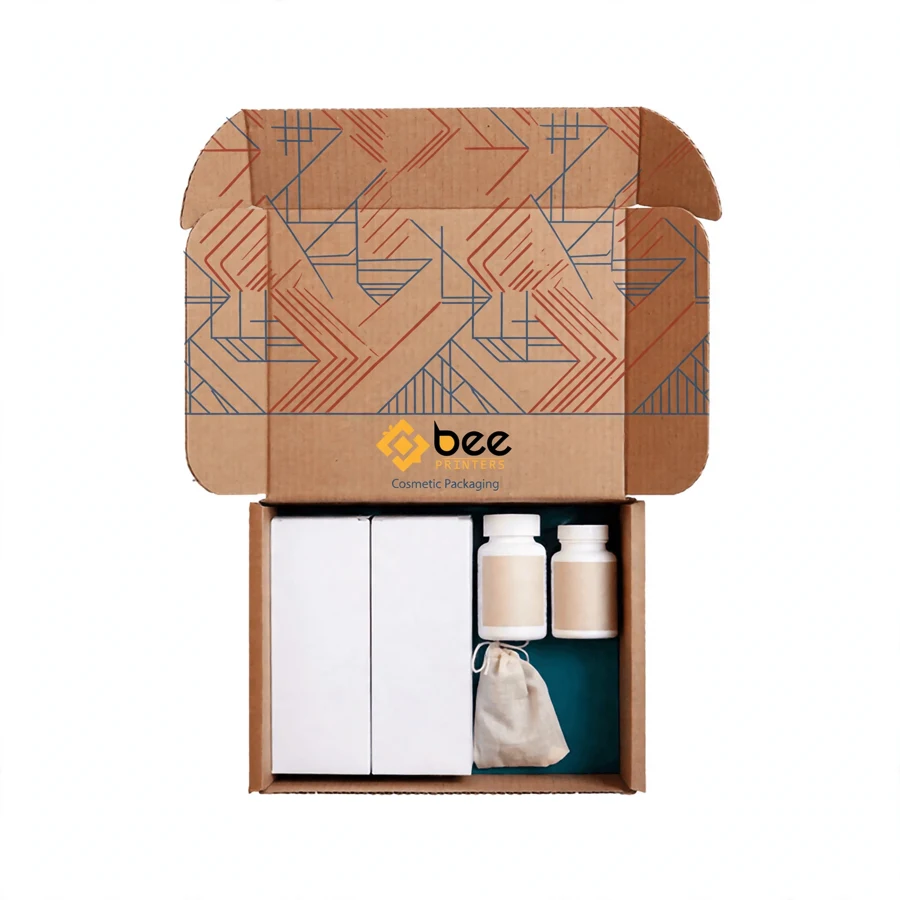
The same logic applies to shipping. A cosmetic product in eco-friendly packaging should ideally travel in packaging that is also recyclable or reusable, so the whole delivery reflects the brand’s values. A simple kraft mailer or a recyclable shipping box, with the product protected inside, keeps the story consistent from the warehouse to the customer’s door.
Moving to eco-friendly cosmetic packaging does not have to happen all at once. Many brands start with one product — their best seller, or a new launch — and switch its packaging to a PCR plastic jar, a glass bottle or a bamboo composite lid. They see how customers respond, how the packaging performs in shipping and on the shelf, and then they extend the change to the rest of the range. That gradual approach keeps the cost manageable and lets the brand learn what works.
If you are considering the switch, start by thinking about what matters most to your customers: is it recycled material, reusability, a natural look, or simply packaging that can be recycled easily? Choose the material that answers that question, design the packaging to tell the story clearly, and order at wholesale prices so the change is affordable. Eco-friendly cosmetic packaging is not a compromise — it is packaging that protects the product, presents the brand and respects the environment, all at the same time.
| Material | Kraft, Cardboard, Corrugated, Rigid stock |
| Sizes | All custom sizes (any length × width × height) |
| Printing | CMYK / PMS, full-color, offset & digital |
| Finishing | Matte, Gloss, Soft-touch, Foil, Spot UV, Embossing |
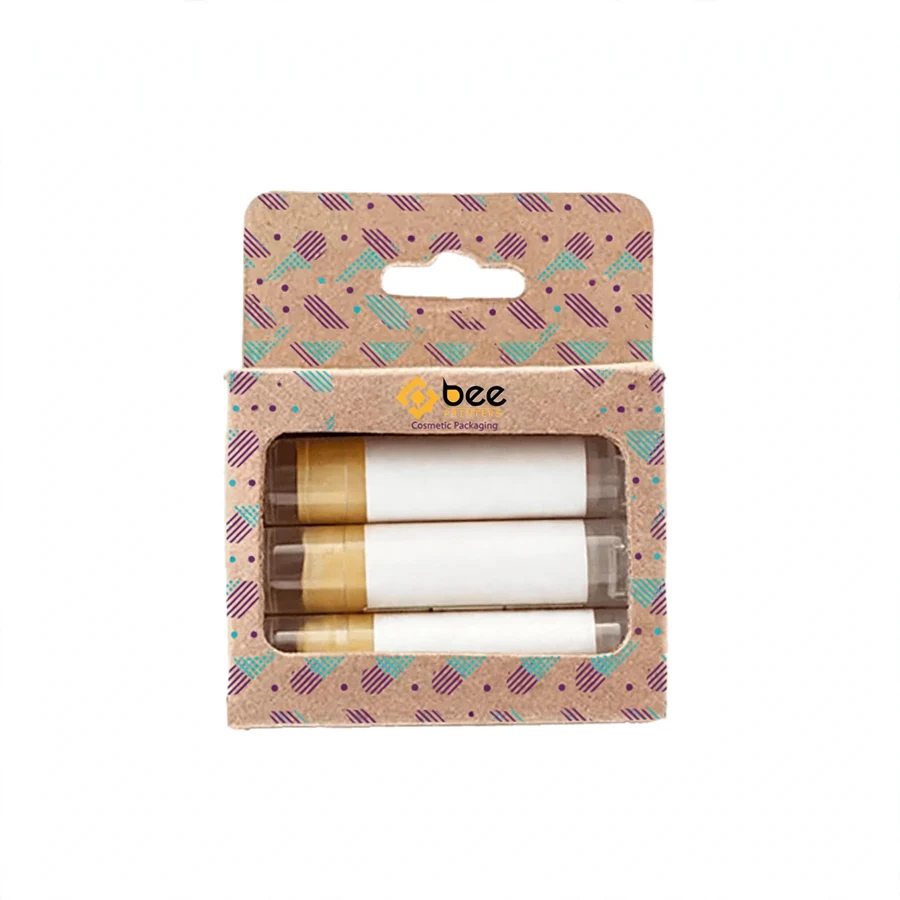
| Add-ons | Window cut-outs, inserts, interior printing |
| Minimum Order | 100 boxes |
| Turnaround | 7 to 10 business days after design approval |
| Shipping | Free shipping across the US |


