Food packaging is changing fast. Restaurants, cafes, bakeries, takeaway businesses and food brands are all moving toward packaging that protects the food, presents the brand and leaves less behind. Eco friendly food packaging from Bee Printers covers that shift with certified eco-friendly options, from compostable food trays to recycling bags to wholesale sustainable food packaging. BPI and FSC certified materials are available, so businesses can choose packaging that carries recognised certifications and can say so honestly to their customers.
The change is driven by customers and by regulation. Diners notice whether a takeaway container can be composted or recycled, and many now choose where to eat based on it. Councils and cities are introducing rules about single-use packaging, and businesses that move early avoid a rushed change later. At the same time, the packaging still has to do its job: keep hot food hot, keep cold food cold, prevent leaks, survive delivery and look good when the customer opens it. Eco-friendly food packaging is about meeting all of those demands at once.
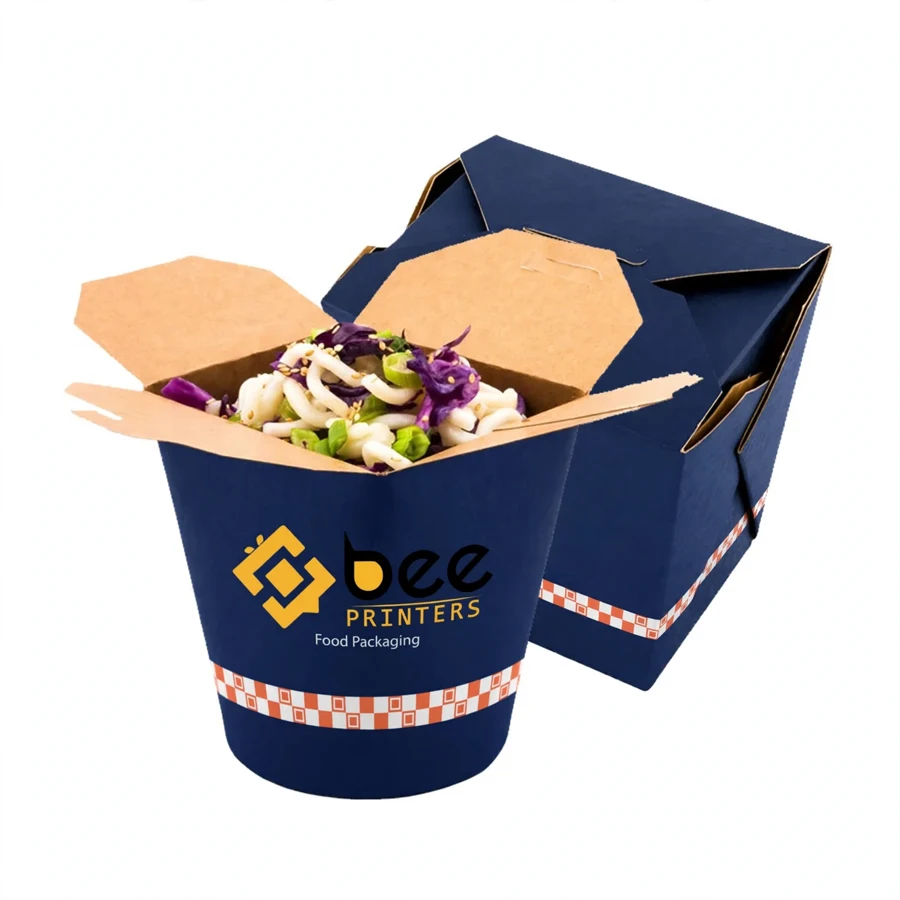
Compostable food trays are one of the most useful eco-friendly formats for food businesses. Made from materials that break down in a composting environment, they suit hot meals, salads, baked goods and deli items. A compostable tray holds its shape under hot food, resists grease and moisture for the time the meal is being eaten, and can then be composted instead of going to landfill. For restaurants, cafes and catering businesses, that is a practical and visible change: the customer sees the tray, uses it, and knows what to do with it afterwards.
Trays come in different sizes and depths to suit different meals, and they can be paired with a lid or a sleeve for takeaway and delivery. A printed sleeve or a branded lid turns a plain compostable tray into a recognisable part of the business, and the tray itself can carry a simple printed message about composting. For businesses that serve food on site as well as for takeaway, a compostable tray works for both: it is sturdy enough for the table and practical enough for the journey home.
Recycling bags are the other end of the range: simple, practical and used in large numbers. A recycling bag for food packaging needs to be strong enough to hold the contents, easy to open and close, and clearly marked so the customer knows it can be recycled. They are used for bakery items, produce, dry goods, takeaway orders and retail food packs, and they are available in wholesale quantities so food businesses can keep a steady supply on hand without paying a premium for every bag.
Wholesale sustainable food packaging covers the whole range of formats a food business needs: trays, bags, boxes, wraps and containers, all available in bulk at wholesale prices. Ordering in bulk keeps the per-unit cost down, which matters for food businesses where packaging is a daily running cost. A cafe that serves hundreds of takeaway meals a week, a bakery that packs bread and pastries every morning, or a restaurant that delivers orders every evening all go through packaging quickly, and wholesale pricing makes the eco-friendly choice affordable rather than a luxury.
Certifications matter because they give customers and businesses something verifiable to rely on. BPI certified materials have been tested and certified as compostable under recognised standards, which means a business can say its trays or containers are compostable and mean it. FSC certified materials come from responsibly managed forests, which means the paper and board in the packaging can be traced to a source that is managed for the long term. These are real, recognised certifications — not vague claims — and they are available on materials in this range.
For a food business, being able to point to a certification is valuable. It lets the business answer a customer’s question simply and honestly, it supports the brand’s story, and it gives the business confidence that its packaging claims will stand up. When choosing eco-friendly food packaging, it is worth asking which certifications apply to the materials you are ordering, and then communicating that clearly on the packaging itself — a small printed note, a certification mark, or a line on the menu or the website.
Takeaway and delivery are where eco-friendly food packaging is most visible. A customer who orders food to their home sees the packaging before they see the food, and the packaging shapes their impression of the business. A compostable tray, a recyclable bag and a printed sleeve that explains the packaging all tell the customer that the business cares about more than the meal. That impression matters: customers remember it, and they choose where to order from based on it.
Dine-in businesses benefit too. A cafe or restaurant that serves food in compostable trays or recyclable containers reduces its waste, simplifies its cleaning and shows its customers that it takes sustainability seriously. For catering and events, eco-friendly packaging is even more practical: large numbers of meals served quickly, with packaging that can be composted or recycled afterwards instead of filling bins with single-use plastic. The same formats work across all three settings, which keeps ordering simple.
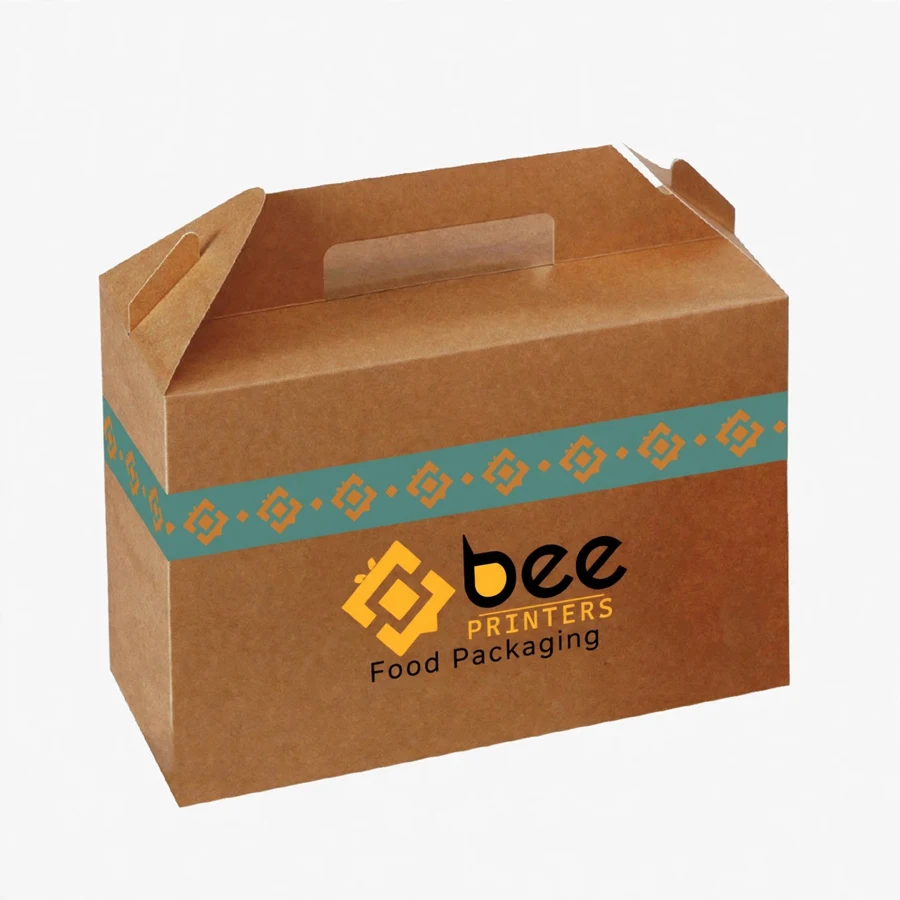
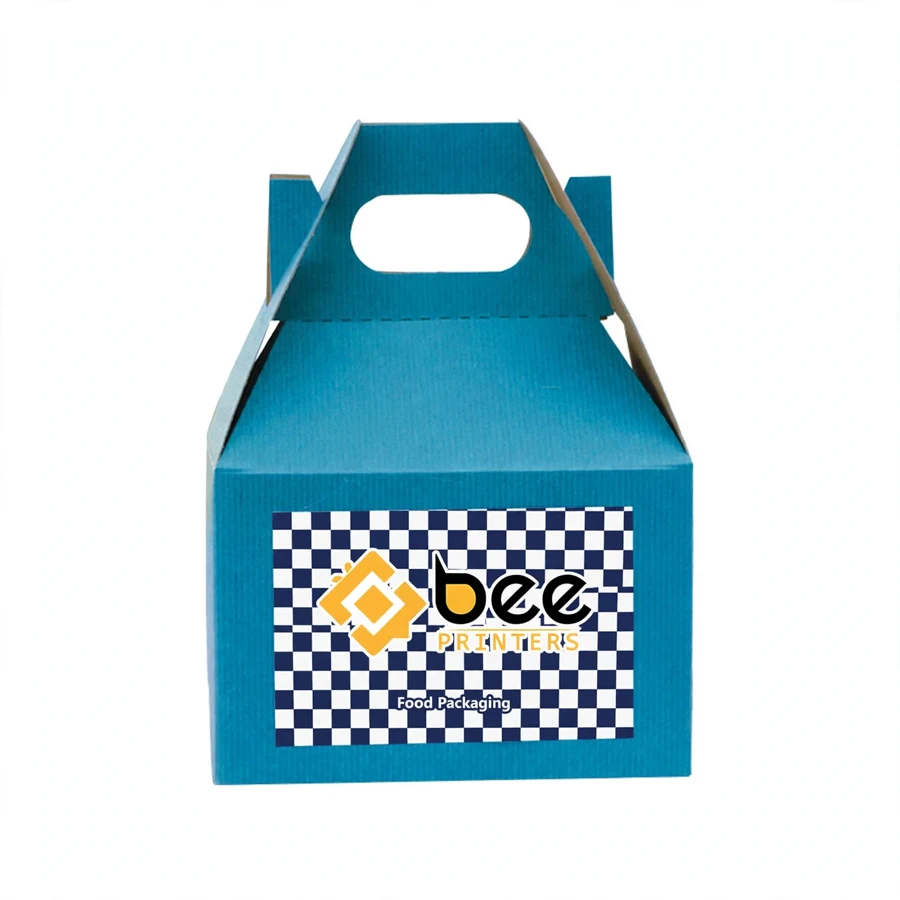
Eco-friendly food packaging still has to sell the food. A plain, unbranded compostable tray will not make a customer choose one cafe over another, but a tray with a clear brand, an attractive design and a simple message about the packaging will. The print can carry the logo, the business name, a short message about composting or recycling, and any information the customer needs. A kraft-style finish suits food well: the natural brown board suggests fresh, wholesome food, and a simple printed design looks clean and professional.
The design should also be honest. Claims about the packaging should be specific and true — that the tray is compostable, that the bag is recyclable, that the board is FSC certified — rather than vague. Customers respond to specific information, and specific claims are the ones that can be verified. The full range of eco-friendly options, including the formats described here, is listed in the eco friendly packaging category, so businesses can compare the formats and choose the ones that suit their food and their customers.
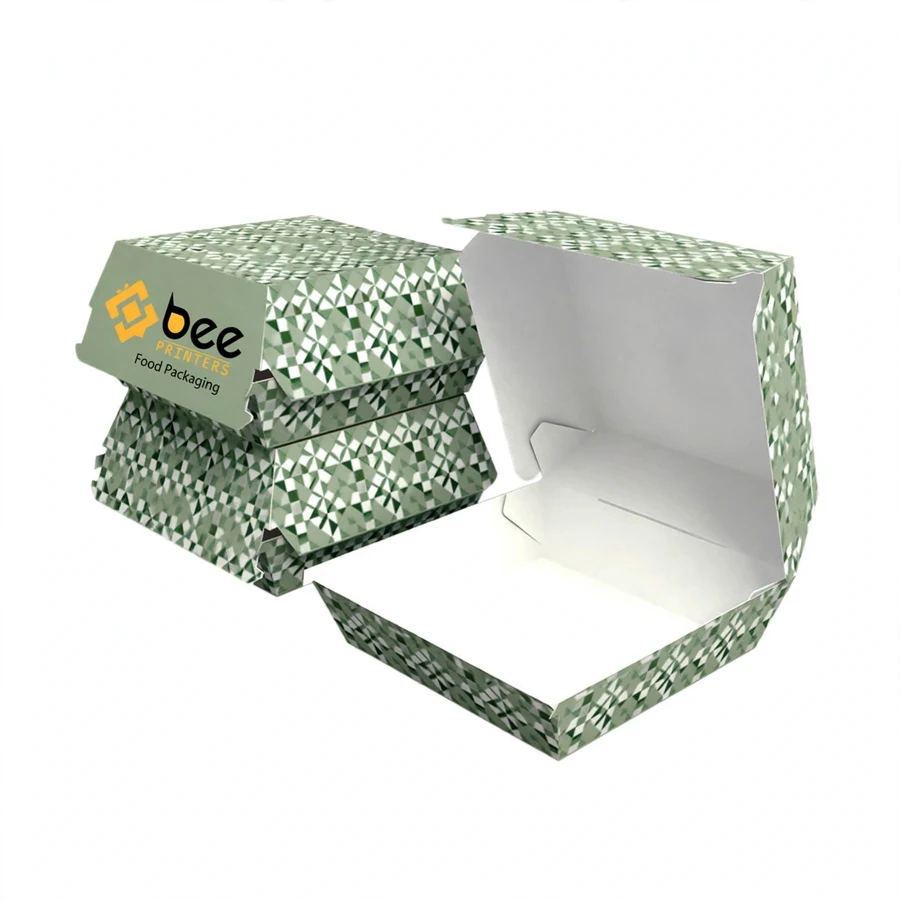
Food packaging rarely travels alone. A takeaway meal in a compostable tray usually goes into a bag or a box for delivery, and that outer packaging is part of the eco-friendly story too. A recyclable paper bag, a kraft box or a compostable carrier keeps the whole delivery consistent: the food is protected, the packaging can be composted or recycled, and the customer sees a coherent, thoughtful package. For food businesses that also sell baked goods or burgers, a complementary format such as Biodegradable Burger Boxes can cover specific menu items alongside the general eco-friendly range.
Keeping the outer and inner packaging consistent is a practical choice as well as a branding one. It means one set of materials to order, one set of recycling or composting instructions to give customers, and one coherent story about the business. It also means the packaging protects the food properly: a sturdy outer bag or box keeps the tray level, prevents spills and keeps the meal hot until it arrives.
Moving to eco-friendly food packaging does not have to happen all at once. Many food businesses start with one item — their most popular takeaway dish, or their daily bakery range — and switch its packaging to a compostable tray or a recyclable bag. They see how customers respond, how the packaging performs with hot food and in delivery, and then they extend the change to the rest of the menu. That gradual approach keeps the cost manageable and lets the business learn what works.
If you are considering the switch, start by thinking about what your customers will notice first: the tray their meal arrives in, the bag they carry it home in, or the box their bakery items come in. Choose the format that fits that moment, check which certifications apply to the materials, and order at wholesale prices so the change is affordable. Eco-friendly food packaging is not a compromise — it is packaging that protects the food, presents the brand and leaves less behind, all at the same time.
| Material | Kraft, Cardboard, Corrugated, Rigid stock |
| Sizes | All custom sizes (any length × width × height) |
| Printing | CMYK / PMS, full-color, offset & digital |
| Finishing | Matte, Gloss, Soft-touch, Foil, Spot UV, Embossing |
| Add-ons | Window cut-outs, inserts, interior printing |
| Minimum Order | 100 boxes |
| Turnaround | 7 to 10 business days after design approval |
| Shipping | Free shipping across the US |